
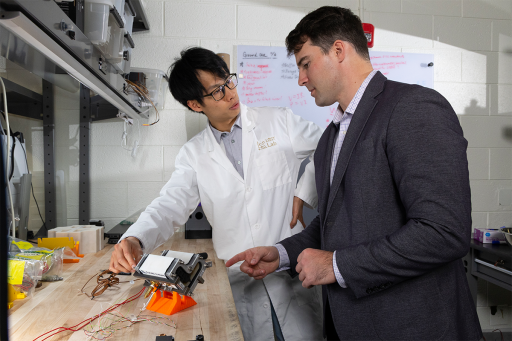
New space IRI and commercialization activities showcase space as an exciting destination for students and faculty.
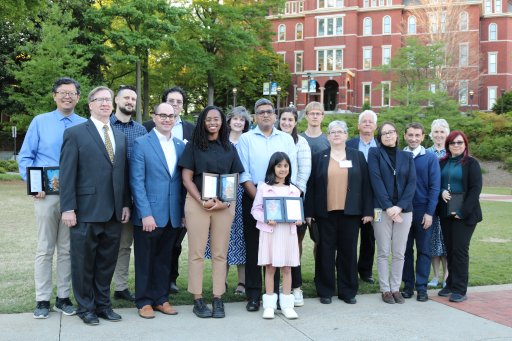
The College of Sciences recognized outstanding faculty and staff for the 2024-25 academic year as well as recent retirees.

This semester, 36 faculty members from across the Institute, including four from the College of Sciences, were awarded tenure.

The new center, announced by the College in December 2024, will drive research aimed at improving life across the state of Georgia.
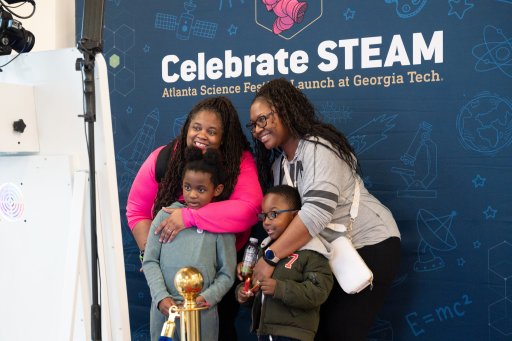
Over 5,000 people attended Georgia Tech's Celebrate STEAM event on March 8, which showcased more than 60 demonstrations in science, technology, engineering, art, and mathematics.
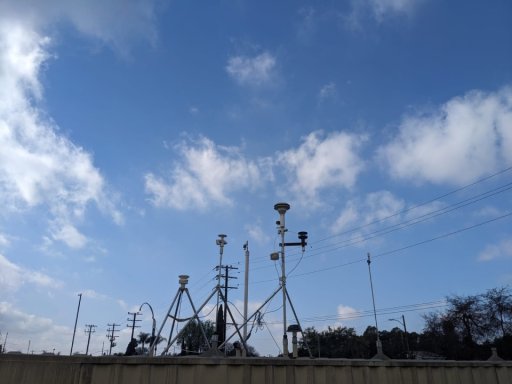
The fires enabled the first real-time data on airborne lead, thanks to a pioneering air quality measurement network.
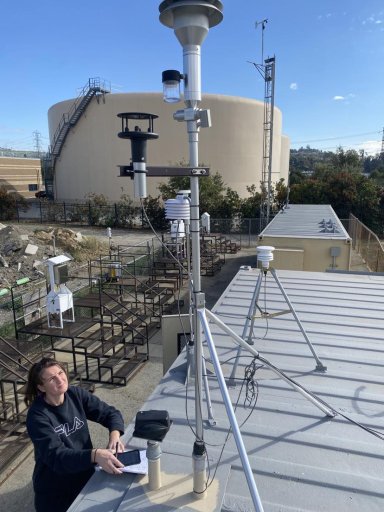
The fires enabled the first real-time data on airborne lead, thanks to a pioneering air quality measurement network.
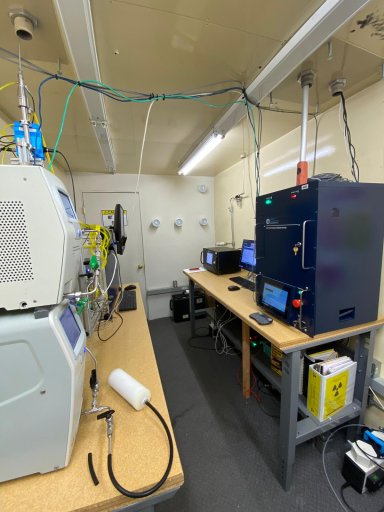
The fires enabled the first real-time data on airborne lead, thanks to a pioneering air quality measurement network.

The BBISS Faculty Fellows program has been in place since 2014. Fellows are drawn from across all seven Georgia Tech Colleges and the Georgia Tech Research Institute (GTRI).
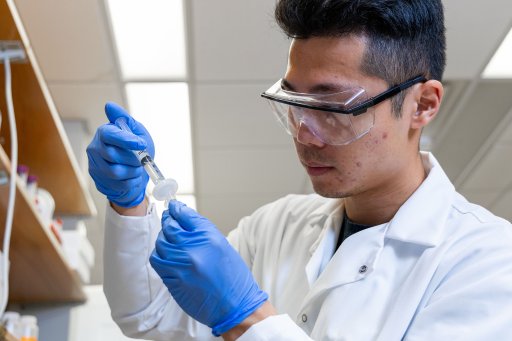
Georgia Tech researchers explore how to improve the planet, one rock at a time.