

The Atacama Desert serves as a Mars analogue site. (Credit: Vinicius Henrique / Unsplash)
Researchers are using artificial intelligence and nanotechnology to identify amino acid biosignatures.
A team of researchers has developed a new method for detecting potential biosignatures in space. The study, Chiral discrimination of amino acids in meteorite and desert soil extracts via single-molecule nanogap conductance, was published in Nature Communications this October.
Georgia Tech contributors included corresponding author Christopher E. Carr, an assistant professor in the School of Earth and Atmospheric Sciences and the Daniel Guggenheim School of Aerospace Engineering, and Research Scientist José L. Ramírez-Colón.
The technique the team developed focuses on the handedness, or chirality, of amino acids. Biotic processes largely use one form of amino acid, whereas nonliving processes produce both forms in roughly the same amounts. As a result, the ratio of amino acid forms present can be used as a potential indicator of life.
To detect these ratios, the researchers harnessed recent developments in nanotechnology: passing molecules through a gap between two gold nanowires. The resulting technique distinguished between amino acid forms with over 80% accuracy.
The team hopes their work could lead to compact instruments capable of analyzing samples and identifying biosignatures.
This story is adapted from an article originally published by the University of Osaka. Read the full story in the University of Osaka newsroom.
DOI: 10.1038/s41467-026-77947-6
Funding: Japan Science and Technology Agency, NASA PICASSO
Additional Images
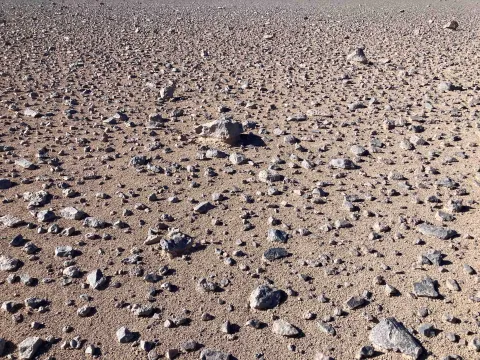
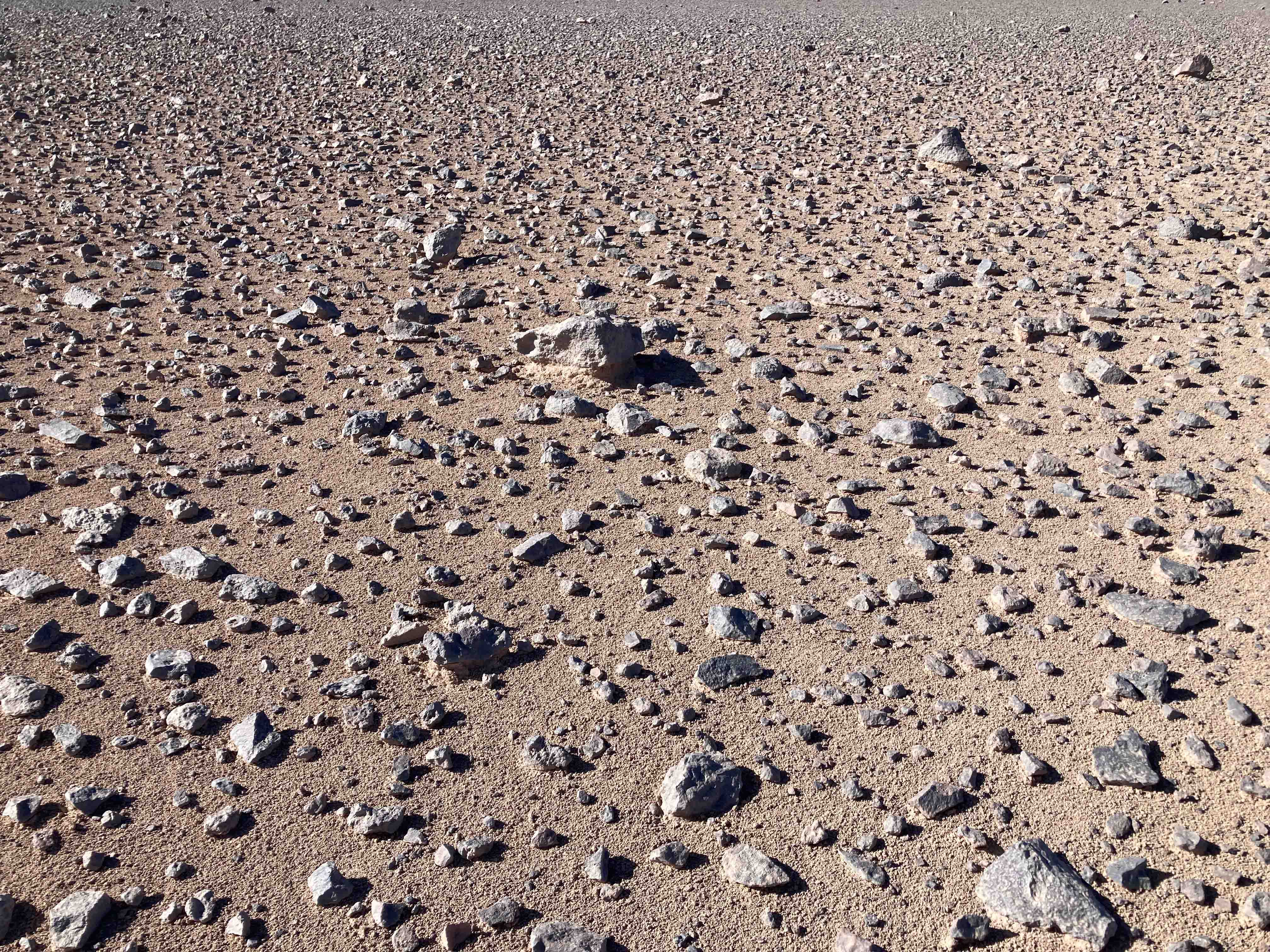
<p>The North of Antofagasta site in the Atacama Desert, a Mars-analog environment where samples analyzed in this study were collected. (Credit: Christopher E. Carr)</p>